
Dihexa generates more questions from patients than almost any other peptide I am asked about. The preclinical data is attention-grabbing — described by the original researchers as being “seven orders of magnitude more potent than BDNF” at promoting synaptogenesis. But attention-grabbing preclinical data and clinical evidence are not the same thing, and with Dihexa, the gap between the two is wider than with almost any peptide in common discussion. What I tell my patients is this: proceed with extreme caution, and understand both the potential and the risks before making a decision.
At a Glance
Property Detail
Type Synthetic hexapeptide analog of angiotensin IV
Amino acid count 6 (modified)
Primary mechanism HGF/c-Met receptor system activation, synaptogenesis
Evidence level Animal studies only; no published human clinical trials
Regulatory status Research compound; not approved for any indication
Route of administration Oral (crosses blood-brain barrier), SC injection
What Is Dihexa?
Dihexa is a synthetic hexapeptide derivative developed by Dr. Joseph Harding and Dr. Jay Wright at Washington State University. It emerged from research on the angiotensin IV (AngIV) receptor system and its role in cognitive function.

The angiotensin system is best known for its role in blood pressure regulation, but a subset of this system — specifically the AT4 receptor (also known as insulin-regulated aminopeptidase, or IRAP) — has been implicated in cognitive processes including memory formation and retrieval. AngIV, a metabolite of the angiotensin cascade, was the first ligand found to enhance cognitive function through this receptor system.
Dihexa was designed as a metabolically stable, orally bioavailable analog of AngIV that could cross the blood-brain barrier — properties that AngIV itself lacks. However, subsequent research revealed that Dihexa’s primary mechanism of action may not be through the AT4/IRAP receptor at all, but rather through the hepatocyte growth factor (HGF)/c-Met receptor system.
Mechanism of Action
Primary Pathways
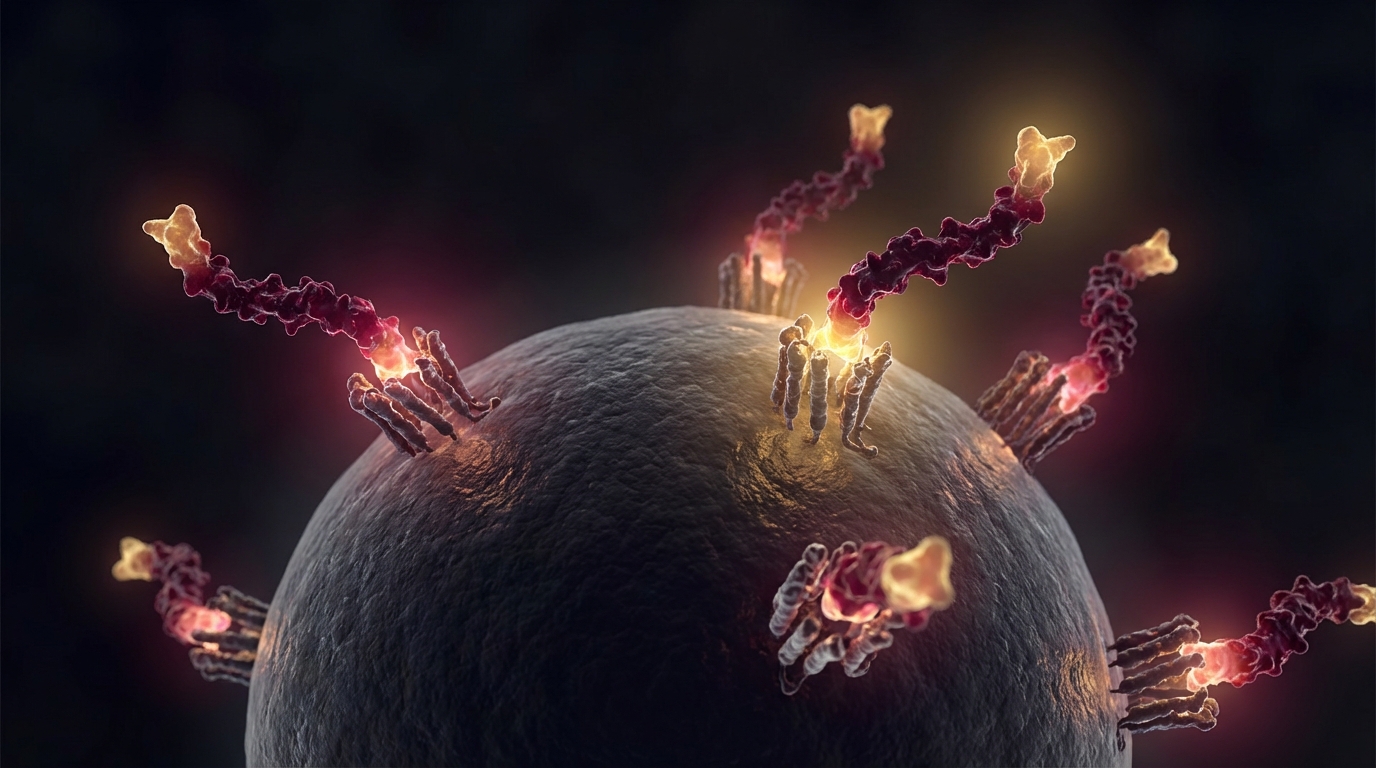
- HGF/c-Met Activation: The current understanding is that Dihexa’s cognitive effects are primarily mediated through the HGF/c-Met receptor system. HGF (hepatocyte growth factor) is a pleiotropic growth factor that plays roles in cell survival, proliferation, migration, and differentiation. In the brain, HGF/c-Met signaling is involved in neuronal development, survival, and synaptic plasticity. Dihexa appears to act as a potentiator of HGF/c-Met signaling, enhancing the system’s activity rather than directly activating the receptor.
- Synaptogenesis: The most striking finding from the Dihexa research is its ability to promote the formation of new synaptic connections between neurons. In cell culture experiments, Dihexa promoted synaptogenesis at concentrations as low as 10^-13 molar — a potency that led the researchers to describe it as being extraordinarily active. For context, this is a concentration range where very few bioactive molecules demonstrate measurable effects.
- Neurotrophic Effects: Through the HGF/c-Met pathway, Dihexa appears to exert neurotrophic effects — supporting neuronal survival and function in a manner analogous to (but mechanistically distinct from) BDNF. This has led to interest in its potential application for neurodegenerative conditions, though this remains entirely in the realm of preclinical investigation.
Research Assessment
What the Evidence Shows
Claimed Effect Evidence Level Key Studies Assessment
Cognitive enhancement (rats) Animal studies Benoist 2014, Uchida 2014 Promising preclinical
Blood-brain barrier penetration Pharmacokinetic studies Wright 2013 Confirmed
Oral bioavailability Pharmacokinetic studies Wright 2013 Confirmed
Reversal of cognitive deficits (rats) Animal studies Benoist 2014 Preliminary
In the animal studies, Dihexa reversed scopolamine-induced cognitive deficits in rats and improved performance in spatial learning tasks. The oral bioavailability and ability to cross the blood-brain barrier were confirmed, which are important pharmacokinetic properties for any CNS-active agent.
The in vitro potency data is genuinely remarkable — the concentrations at which Dihexa promotes synaptogenesis are among the lowest reported for any neurotrophic agent. Whether this in vitro potency translates to equivalent in vivo effects at clinically achievable doses is a separate question.
What the Evidence Does Not Show
There are no published human clinical trials of Dihexa for any indication. The human safety profile is essentially unknown beyond limited clinical observation. The long-term effects of exogenous synaptogenesis promotion on brain function, neural circuit stability, and neurological health have not been studied.
The HGF/c-Met system is involved in cell proliferation and is implicated in various cancers (c-Met is a proto-oncogene). The implications of chronically activating this pathway, even partially, have not been evaluated in the context of long-term Dihexa use.
The leap from “promotes synaptogenesis in cell culture” to “improves cognition in humans” involves multiple unvalidated assumptions about dosing, brain penetration, regional specificity, and the relationship between new synapse formation and functional cognitive improvement.
Dosing
Route Dose Range Frequency Duration Source of Data
Subcutaneous 5-20 mg Daily Limited to short courses Clinical observation (very limited)
Note: These dosing ranges are based on extremely limited clinical observation and extrapolation from animal data. There are no human dose-finding studies. The wide dose range reflects genuine uncertainty about optimal human dosing.
Safety and Side Effects
Known
Due to the absence of formal human studies, the safety profile is essentially undocumented. Clinical observation is too limited to establish a reliable side effect profile. Reports from users (not from controlled studies) mention headaches, elevated blood pressure, and heightened emotional responses.
Theoretical Concerns
The c-Met proto-oncogene question is the most significant theoretical safety concern. HGF/c-Met signaling promotes cell proliferation, and aberrant activation of this pathway is associated with multiple cancer types. Whether the degree of c-Met activation produced by therapeutic doses of Dihexa carries oncological risk is unknown.
The effects of promoting synaptogenesis in an adult brain that has undergone normal synaptic pruning are theoretically unpredictable. Synaptic pruning is a developmentally important process, and indiscriminate synapse formation could, in theory, disrupt established neural circuits rather than enhance them.
Contraindications
History of malignancy or active malignancy (theoretical concern based on c-Met mechanism). Pregnancy and lactation (no data). Neurological conditions involving aberrant neural circuit formation (e.g., epilepsy — theoretical concern about synaptogenesis effects).
Drug and Supplement Interactions
No formal interaction studies exist. Given the HGF/c-Met mechanism, theoretical caution with medications that affect this pathway. Potential interaction with antihypertensive medications given the angiotensin system connections.
Clinical Perspective
I want to be candid about Dihexa: I do not currently use it in my practice. The preclinical data is fascinating, and I understand why patients are drawn to it — the idea of a peptide that promotes new synaptic connections at remarkably low concentrations is compelling. But the gap between preclinical promise and clinical evidence is wider with Dihexa than with almost any other peptide that patients ask me about.
My concerns are specific:
First, the c-Met proto-oncogene involvement. This is not a trivial concern. c-Met activation is a validated drug target in oncology — pharmaceutical companies spend billions developing c-Met inhibitors for cancer treatment. An agent that activates this same pathway, even partially, deserves substantially more safety investigation before it is used chronically in healthy individuals seeking cognitive enhancement.
Second, the absence of any published human data. With BPC-157 peptide therapy, we at least have decades of clinical observation and a reassuring preclinical safety profile. With Dihexa, we have a handful of rat studies and a mechanism of action that raises legitimate safety questions.
Third, the quality and sourcing issue is particularly acute with Dihexa. Because it is available only as a research compound, quality assurance is minimal. Patients are injecting or ingesting material from unregulated sources with no guarantee of purity or accurate dosing.
What I tell patients who ask about Dihexa is this: the science is interesting, but “interesting science” and “ready for clinical use” are different categories. This is a peptide that I will reconsider when human clinical trial data becomes available. Until then, there are better-characterized options for cognitive support.

References
- McCoy AT, et al. “Evaluation of metabolically stabilized angiotensin IV analogs as procognitive/antidementia agents.” J Pharmacol Exp Ther. 2013;344(1):141-154.
- Benoist CC, et al. “Analogues of dihexa interact with the hepatocyte growth factor system.” Eur J Pharmacol. 2014;745:73-80.
- Uchida S, et al. “Dihexa, a brain-penetrant angiotensin IV analog, enhances cognition in rats.” Pharmacol Biochem Behav. 2014;118:16-21.
- Wright JW, Harding JW. “The brain hepatocyte growth factor/c-Met receptor system: a new target for the treatment of Alzheimer’s disease.” J Alzheimers Dis. 2015;45(4):985-1000.
- Harding JW, et al. “Development of small molecule HGF/MET activators for the treatment of dementia.” Molecules. 2019;24(18):3359.
Disclaimer: This peptide profile is intended for educational purposes. Dihexa is a research compound not approved for human therapeutic use by any regulatory agency. The safety profile in humans is unknown. Consult a qualified physician before pursuing any peptide therapy.