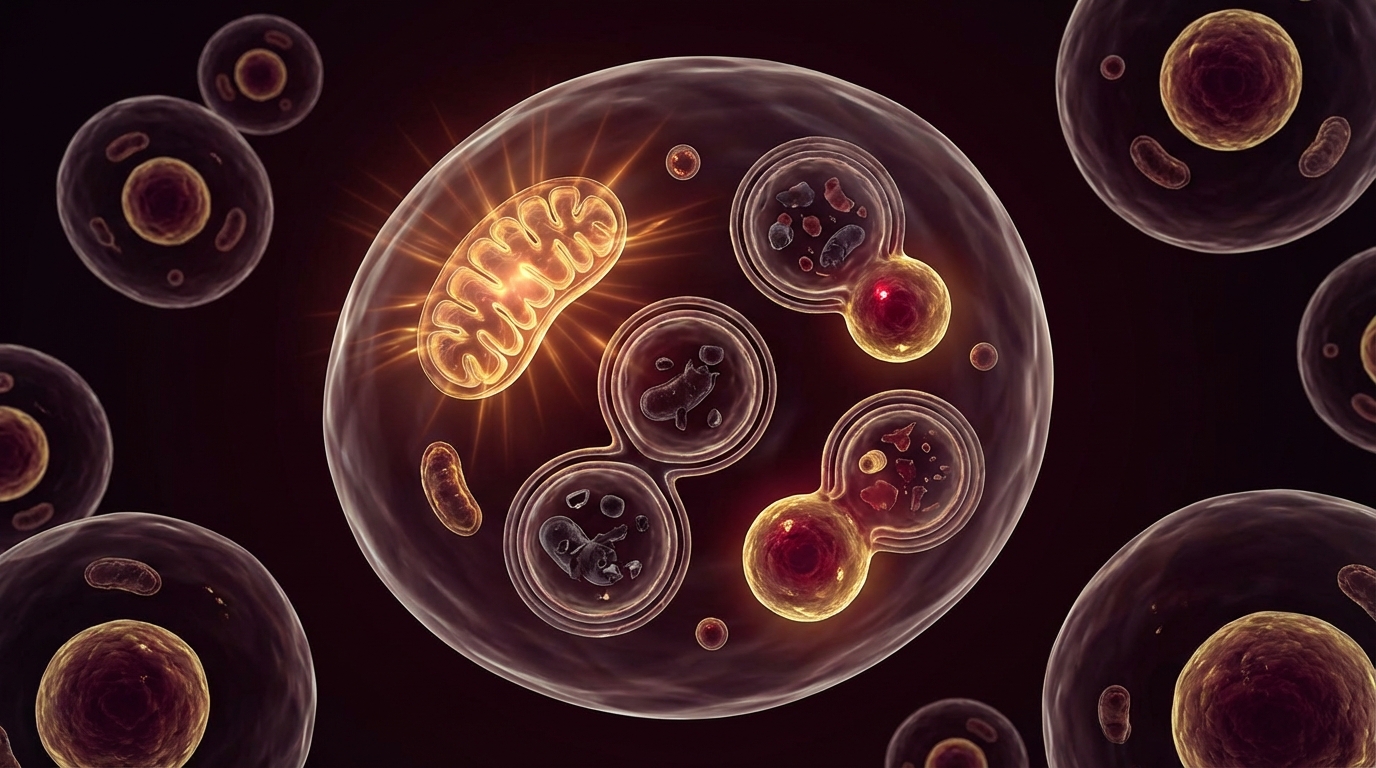
The idea that controlled stress makes biological systems stronger is not new. Exercise is controlled muscular stress. Vaccination is controlled immune stress. Cold and heat exposure represent controlled thermal stress, and the evidence that both can influence health and aging has moved well beyond anecdote.
What I want to distinguish from the outset is the difference between the evidence base and the culture that has grown around these practices. Social media has turned cold plunging into a performance, and sauna use into a lifestyle identity. My interest is narrower: what does the evidence show, and for which patients does deliberate temperature exposure make clinical sense?
Heat Exposure: Sauna
The Finnish Data
The most compelling evidence for sauna use comes from large Finnish population studies. The KIHD (Kuopio Ischaemic Heart Disease Risk Factor Study) followed over 2,300 middle-aged men for an average of 20 years and found a dose-response relationship between sauna frequency and cardiovascular mortality [1]:

- Two to three sauna sessions per week: 22% reduced risk of sudden cardiac death
- Four to seven sessions per week: 63% reduced risk of sudden cardiac death
- Similar dose-response relationships were observed for all-cause mortality and Alzheimer’s disease risk
These are observational data, and confounders certainly exist. Finnish sauna users may share other healthy behaviors. But the magnitude and consistency of the associations are noteworthy.
Mechanisms
Sauna exposure (typically 80-100 degrees C / 176-212 degrees F for 15-20 minutes) triggers:
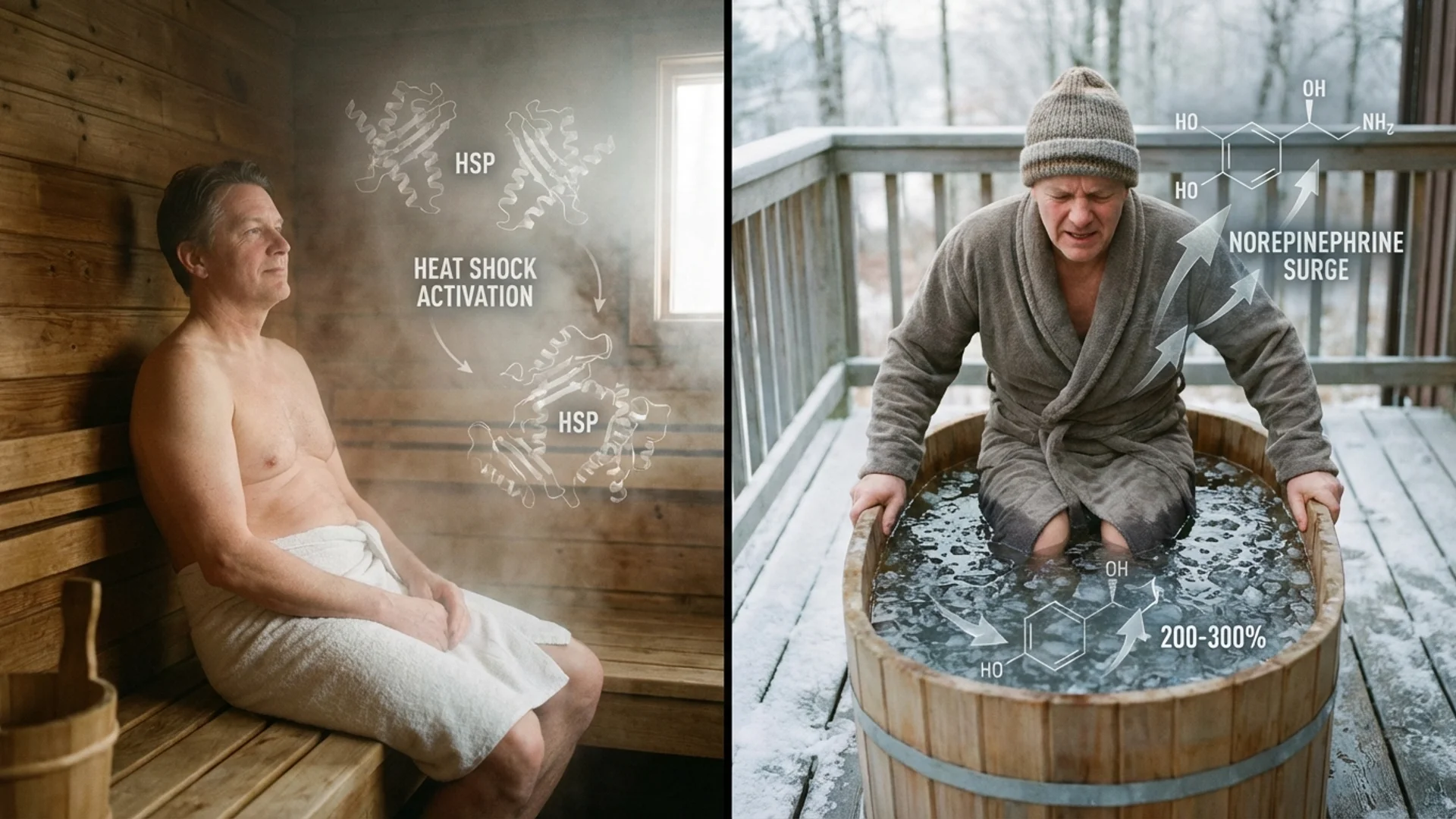
- Heat shock protein production. HSPs, particularly HSP70 and HSP90, function as molecular chaperones that maintain protein integrity and clear misfolded proteins. Their upregulation is a genuine anti-aging mechanism at the cellular level.
- Cardiovascular conditioning. Heart rate increases to 100-150 bpm during sauna, equivalent to moderate-intensity exercise. Blood pressure drops acutely and, with regular use, chronically.
- Growth hormone release. A single sauna session can increase growth hormone two- to five-fold, though this is transient.
- Norepinephrine release. Contributes to improved attention and mood, and may support the conversion of white adipose tissue to metabolically active brown adipose tissue.
- Improved endothelial function. Regular sauna use has been shown to improve flow-mediated dilation, a marker of vascular health.
Protocol
In my practice, I recommend traditional dry sauna at 80-90 degrees C for 15-20 minutes, three to four times per week. For patients with access to infrared sauna (lower temperatures, 50-60 degrees C), longer sessions of 30-45 minutes can achieve similar benefits. Adequate hydration and electrolyte replacement are essential.
Cold Exposure
The Evidence
The evidence base for cold exposure is less robust than for sauna, but it is growing. Key findings include:
Brown adipose tissue activation. Cold exposure activates brown fat, which burns calories to generate heat. Regular cold exposure can increase brown fat volume and metabolic rate [2]. The clinical significance of this for weight management in humans remains modest.
Norepinephrine release. Cold water immersion at 14 degrees C (57 degrees F) increases plasma norepinephrine by 200-300%, which influences attention, mood, and inflammation [3].
Anti-inflammatory effects. Cold exposure reduces circulating inflammatory markers. A randomized controlled trial in the Netherlands (the “Iceman study”) demonstrated that individuals trained in cold exposure had reduced inflammatory cytokine responses to endotoxin challenge [4].
Immune modulation. The same Dutch study showed that the cold exposure group reported 29% fewer sick days, though the mechanism — whether cold exposure itself or the breathing techniques taught alongside it — is not fully resolved.
Important Caveats
- Most cold exposure studies are small and short-term.
- Cold water immersion immediately after resistance training may blunt the hypertrophic response (muscle growth) by attenuating the inflammatory signaling required for adaptation [5]. If muscle growth is a goal, I advise separating cold exposure from resistance training by at least four hours.
- The “metabolic benefits” of cold exposure for weight loss are frequently overstated. The caloric expenditure from brown fat activation is real but modest — tens to low hundreds of calories, not the dramatic claims seen online.
Protocol
For patients interested in cold exposure, I suggest a graduated approach:
- Begin with cold showers: 30-60 seconds of cold water at the end of a regular shower
- Progress to cold water immersion: 11-15 degrees C (52-59 degrees F) for two to five minutes
- Frequency: two to four times per week
- End cold exposure with passive rewarming (allow the body to warm itself) rather than immediately jumping into a hot shower
Combining Heat and Cold
The traditional Finnish practice of alternating sauna with cold water immersion (contrast therapy) has its own rationale. The repeated vasodilation and vasoconstriction may enhance vascular elasticity and endothelial function. Controlled studies specifically on contrast therapy for longevity outcomes are limited, but the mechanistic rationale is sound.
In my practice, I do not prescribe one-size-fits-all protocols. For most longevity-focused patients, I recommend regular sauna use (which has the stronger evidence base) and offer cold exposure as an optional addition based on the patient’s preferences, tolerance, and specific goals.
Safety Considerations
- Sauna is contraindicated in unstable angina, recent myocardial infarction, and severe aortic stenosis. Most patients with controlled cardiovascular disease can use sauna safely, but should consult their physician.
- Cold water immersion carries a risk of cold shock response (involuntary gasping, hyperventilation) and, in susceptible individuals, cardiac arrhythmia. Gradual acclimatization is essential. Never cold plunge alone, particularly in natural water.
- Both therapies should be avoided during acute illness.
- Adequate hydration is critical for sauna use.
The Bottom Line
Deliberate temperature stress is a legitimate longevity tool with meaningful evidence behind it — particularly for sauna. It is not a replacement for exercise, sleep, and nutrition, but it is a reasonable adjunct. The key, as with most interventions, is consistency, appropriate dosing, and honest expectations about what the evidence supports.
References
- Laukkanen T, et al. Association Between Sauna Bathing and Fatal Cardiovascular and All-Cause Mortality Events. JAMA Internal Medicine. 2015;175(4):542-548.
- van der Lans AA, et al. Cold acclimation recruits human brown fat and increases nonshivering thermogenesis. Journal of Clinical Investigation. 2013;123(8):3395-3403.
- Srámek P, et al. Human physiological responses to immersion into water of different temperatures. European Journal of Applied Physiology. 2000;81(5):436-442.
- Kox M, et al. Voluntary activation of the sympathetic nervous system and attenuation of the innate immune response in humans. PNAS. 2014;111(20):7379-7384.
- Roberts LA, et al. Post-exercise cold water immersion attenuates acute anabolic signalling and long-term adaptations in muscle to strength training. Journal of Physiology. 2015;593(18):4285-4301.
This content is educational and does not constitute medical advice. Deliberate temperature exposure carries risks and should be approached gradually. Patients with cardiovascular conditions should consult their physician before beginning sauna or cold exposure protocols.