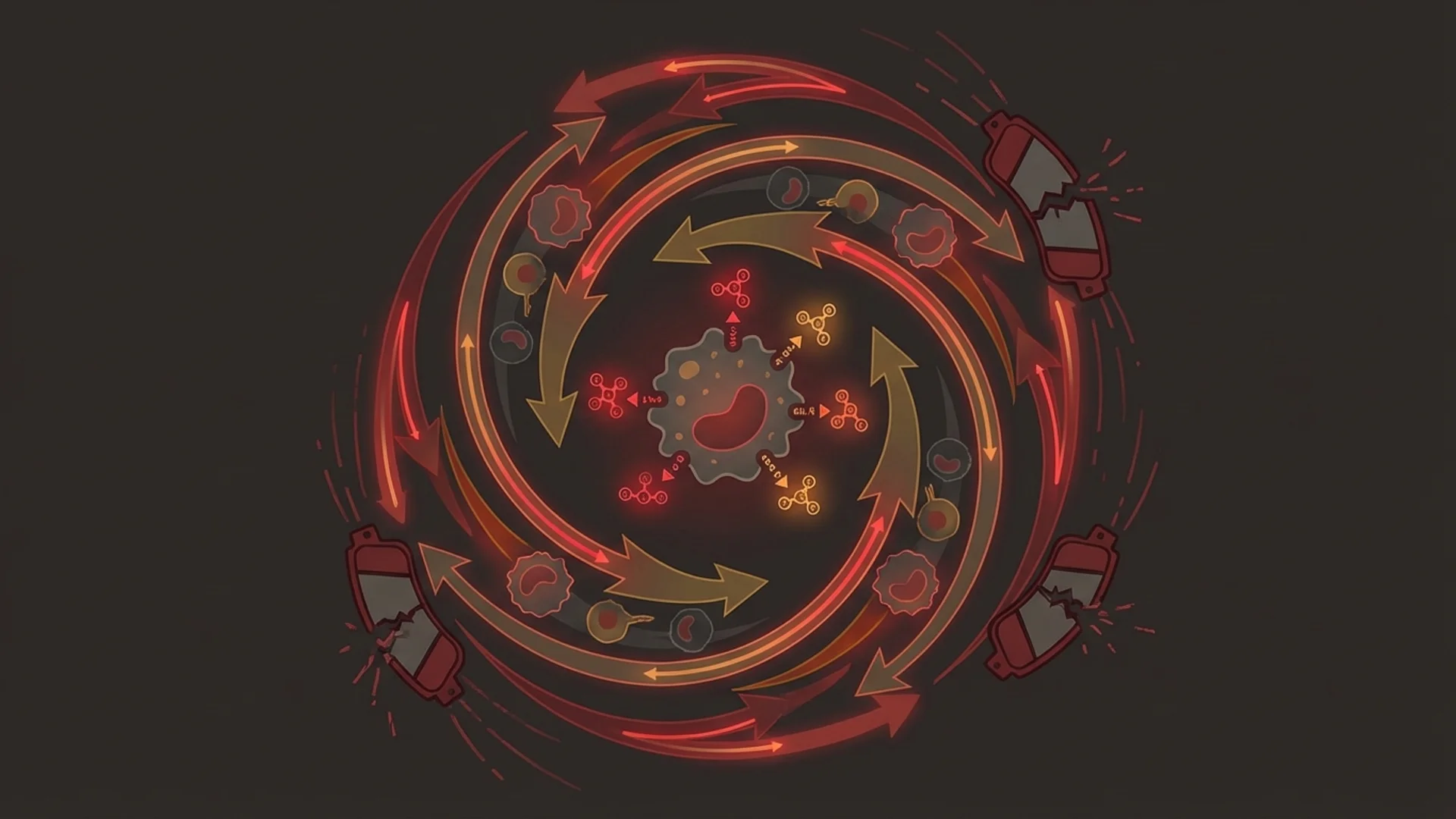
A cytokine storm is what happens when the immune system’s communication system fails catastrophically. Instead of mounting a proportionate response to a threat, the immune system enters a positive feedback loop: immune cells release inflammatory cytokines, which activate more immune cells, which release more cytokines, which activate still more immune cells. The result is not effective pathogen clearance. It is systemic tissue destruction.
The term entered public awareness during the COVID-19 pandemic, but cytokine storms are not new. They have been documented in severe influenza, sepsis, autoimmune flares, and as a complication of certain immunotherapies. Understanding the mechanism is important for any patient concerned about immune health.
The Mechanism
Under normal conditions, the immune response is self-limiting. Pro-inflammatory cytokines activate immune cells and promote pathogen clearance, while anti-inflammatory cytokines (IL-10, TGF-beta) and regulatory T cells gradually dampen the response as the threat is controlled. The system has built-in brakes.
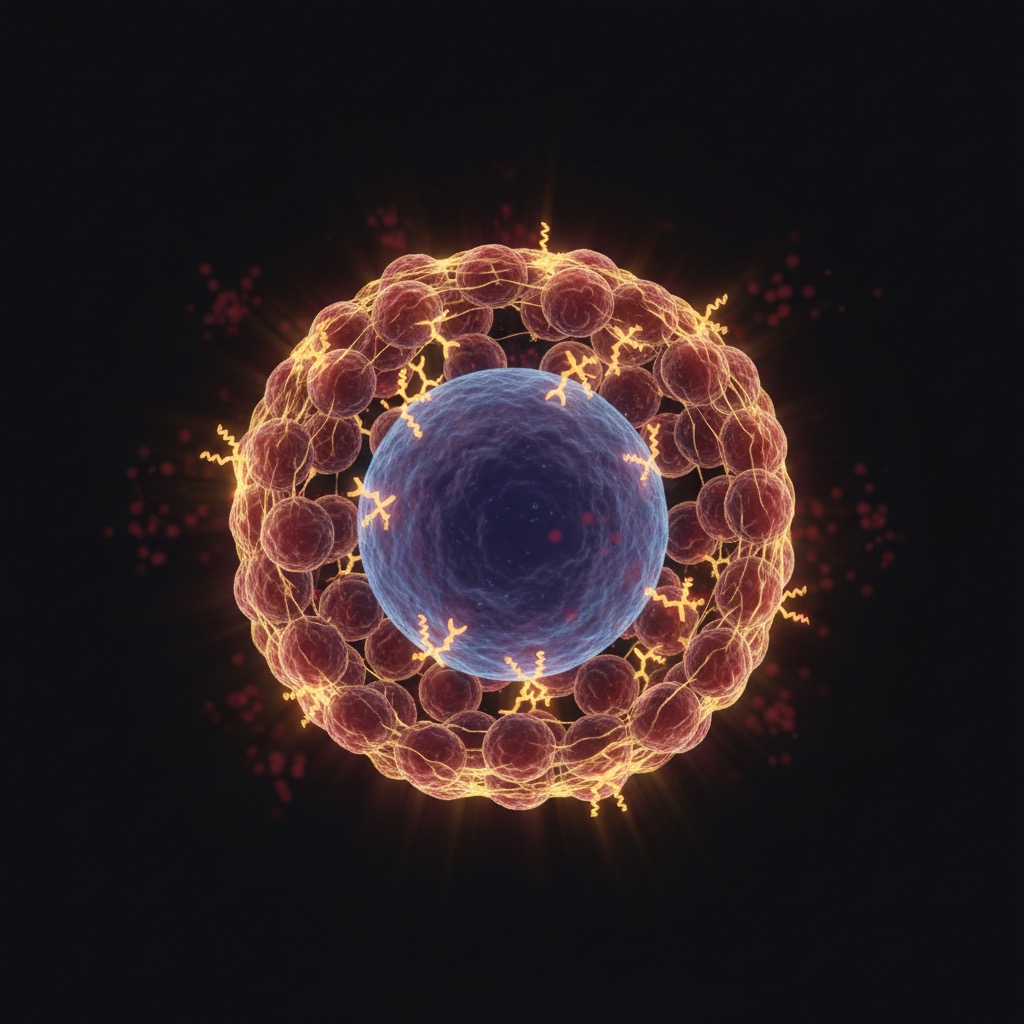
In a cytokine storm, the brakes fail. Several factors can contribute:
Overwhelming pathogen burden — when the initial infection overwhelms local immune defenses, the systemic response escalates beyond proportionate limits.
Dysregulated macrophage activation — macrophages are major producers of pro-inflammatory cytokines. When macrophage activation becomes self-sustaining (a condition called macrophage activation syndrome or hemophagocytic lymphohistiocytosis), the cytokine cascade can become life-threatening.
Insufficient regulatory response — patients with impaired Treg function or reduced anti-inflammatory cytokine production are less able to modulate the inflammatory cascade.
Superantigen stimulation — certain bacterial toxins (streptococcal and staphylococcal superantigens) bypass normal antigen presentation and activate a large percentage of T cells simultaneously, producing massive cytokine release.
The Key Cytokines
The cytokines most prominently elevated in cytokine storms include:
- IL-6 — one of the primary drivers; stimulates CRP production, promotes T cell differentiation, and amplifies the inflammatory cascade
- TNF-alpha — causes vasodilation, increases vascular permeability, and can induce shock
- IL-1beta — activates the inflammasome pathway and promotes fever, pain, and tissue destruction
- IFN-gamma — activates macrophages and promotes Th1 responses; excessive levels contribute to tissue damage
- IL-18 — co-activator with IL-12 of IFN-gamma production; elevated in macrophage activation syndrome
Clinical Consequences
The damage from a cytokine storm is not caused by the pathogen. It is caused by the immune response itself.
Vascular leak — pro-inflammatory cytokines increase vascular permeability, causing fluid to leak from blood vessels into tissues. In the lungs, this produces acute respiratory distress syndrome (ARDS). Systemically, it can cause hypotension and shock.
Multi-organ damage — activated immune cells infiltrate and damage organs throughout the body. The lungs, liver, kidneys, and heart are most commonly affected.
Coagulopathy — the inflammatory cascade activates the coagulation system, producing disseminated intravascular coagulation (DIC) — simultaneous clotting and bleeding throughout the body.
Immunoparalysis — paradoxically, after the initial hyperinflammatory phase, the immune system often enters a state of profound suppression, leaving the patient vulnerable to secondary infections. This post-storm immunoparalysis is a major cause of late mortality in sepsis and severe COVID-19.
Cytokine Storms in Clinical Context
COVID-19
The severe cases of COVID-19 that required ICU admission and mechanical ventilation were, in most cases, not caused by direct viral destruction of lung tissue. They were caused by a dysregulated immune response — a cytokine storm centered in the lungs. This is why dexamethasone (an immunosuppressant) reduced mortality in severe COVID-19 (RECOVERY trial) while antiviral therapies alone were insufficient for critically ill patients.
The COVID-19 cytokine storm profile characteristically included markedly elevated IL-6, ferritin, CRP, and D-dimer. Patients with the highest IL-6 levels had the worst outcomes.
Sepsis
Sepsis is the archetypal cytokine storm condition. The initial hyperinflammatory response to bacterial infection, if not controlled, leads to organ dysfunction, shock, and death. Despite decades of research, sepsis mortality remains approximately 25-30% in severe cases. The challenge is that the inflammatory response is simultaneously causing harm and attempting to control the infection.
CAR-T Cell Therapy
Cytokine release syndrome (CRS) is one of the most significant complications of CAR-T cell therapy for cancer. When engineered T cells encounter and destroy cancer cells en masse, the resulting cytokine release can produce a syndrome ranging from mild fever to life-threatening multi-organ failure. This is managed with tocilizumab (an IL-6 receptor antagonist) and, in severe cases, corticosteroids.
Prevention and Risk Reduction
While cytokine storms cannot be reliably prevented in every case, certain factors appear to reduce risk:
Adequate vitamin D status. Low vitamin D levels have been consistently associated with more severe cytokine responses in COVID-19 and other infections. Vitamin D supports Treg function and promotes anti-inflammatory cytokine production. The optimal range is 40-60 ng/mL. Evidence level: observational studies with mechanistic support; the VITAL trial demonstrated reduced autoimmune incidence with supplementation.
Omega-3 fatty acids. EPA and DHA are precursors to specialized pro-resolving mediators (SPMs) — resolvins, protectins, and maresins — that actively resolve inflammation. Adequate omega-3 status may support the immune system’s ability to terminate the inflammatory response appropriately. Evidence level: controlled human studies for anti-inflammatory effects; mechanistic data for SPM production.
Baseline immune health. Patients with well-regulated immune function — adequate sleep, controlled stress, healthy weight, good nutritional status — appear less likely to develop dysregulated immune responses. This is difficult to prove causally but is consistent with the mechanistic understanding.
Early intervention. In clinical settings, early identification of escalating inflammatory markers (rising IL-6, ferritin, CRP) and prompt treatment with anti-inflammatory therapies can prevent progression to full cytokine storm.
The Integrative Perspective
The cytokine storm represents an extreme failure of immune regulation. In integrative medicine, we spend most of our time working with the milder, chronic version of this same problem — persistently elevated inflammatory signaling that does not reach crisis levels but causes ongoing tissue damage and symptom burden.
The principles are the same in both cases: support the immune system’s regulatory mechanisms, ensure adequate anti-inflammatory capacity, address the drivers of immune activation, and monitor inflammatory markers to detect escalation early.
What I tell my patients: the immune system is designed to fight and to stop fighting. Both capacities are essential. When we talk about immune health, we are not just talking about the ability to mount a strong response. We are equally talking about the ability to turn that response off.
Disclaimer: This article is provided for educational purposes and reflects one physician’s clinical perspective. It is not a substitute for individualized medical care. Cytokine storm is a medical emergency requiring immediate hospital care.