At a Glance
| Property | Value |
|---|---|
| Evidence Level | Strong (multiple RCTs, Cochrane reviews, ESHO guidelines) |
| Primary Use | Adjunct to chemotherapy and radiation for solid tumors |
| Key Mechanisms | DNA repair inhibition in tumor cells, improved tumor perfusion, immune activation |
| Protocols | Moderate WBH (40°C, 3h); Local/regional (40-43°C); Extreme WBH (selected cases) |
| Clinical Validation | Cervical, breast, soft tissue sarcoma, bladder, melanoma, head and neck cancers |
| Hospital Experience | 35+ years at St. George Hospital, Bad Aibling |
The Treatment Oncologists Know About but Rarely Offer
Let me be direct. Hyperthermia for cancer is not experimental. It is not alternative. It is a treatment modality with a stronger evidence base than many drugs currently used in standard oncology protocols. The European Society for Hyperthermic Oncology (ESHO) recognizes it. The German S3 guidelines include it for specific indications. Multiple randomized controlled trials — the gold standard of medical evidence — have demonstrated improved outcomes when hyperthermia is added to chemotherapy or radiation.
And yet most cancer patients have never heard of it.
The reasons are institutional, not scientific. Hyperthermia requires specialized equipment, trained personnel, and dedicated treatment time. It does not have a pharmaceutical company funding its promotion. It is a physical modality — like radiation — and it falls between oncology disciplines in ways that make it administratively inconvenient. None of these reasons are scientific arguments against its use.
My father, Friedrich Douwes, was one of the first physicians in Europe to integrate hyperthermia into comprehensive cancer care. Our hospital has used it for over 35 years. What I am presenting here is not advocacy — it is evidence, supplemented by clinical experience that spans three decades and thousands of oncology patients.
Why Heat Kills Cancer Cells
Cancer cells are not normal cells. They have specific vulnerabilities that make them more susceptible to heat than healthy tissue. Understanding these vulnerabilities is essential for understanding why hyperthermia works.
Impaired DNA Repair
All cells sustain DNA damage constantly — from metabolism, radiation, oxidative stress, and now from heat. Normal cells have robust DNA repair machinery that fixes this damage efficiently. Cancer cells, by definition, have genetic instability. Their DNA repair mechanisms are often defective or overwhelmed. This is actually why many cancer treatments work: chemotherapy causes DNA damage, and cancer cells are less able to repair it than normal cells.
Heat amplifies this vulnerability. Elevated temperatures directly inhibit DNA repair enzymes — particularly those involved in homologous recombination and base excision repair. When you add heat to chemotherapy, you are damaging DNA (with the drug) while simultaneously disabling the repair machinery (with the heat). The combined effect is significantly greater than either treatment alone.
Chaotic Tumor Vasculature
Solid tumors grow their own blood supply through angiogenesis, but this vasculature is structurally abnormal — tortuous, leaky, poorly organized. As a result, many regions within a tumor are hypoxic (low oxygen) and poorly perfused.
This matters for three reasons:
First, hypoxic tumor regions are resistant to radiation therapy. Radiation works primarily by generating oxygen free radicals that damage DNA. No oxygen, no free radicals, poor radiation efficacy. Hyperthermia increases blood flow to tumors, improving oxygenation and making radiation more effective.
Second, poor perfusion means chemotherapy drugs have difficulty reaching the center of solid tumors. Hyperthermia increases tumor perfusion, improving drug delivery to regions that are otherwise pharmacologically sanctuary sites.
Third, the chaotic vasculature of tumors means they dissipate heat poorly compared to normal tissue, which has well-organized vascular networks for thermoregulation. This means tumors can retain heat longer and reach higher effective temperatures than surrounding healthy tissue — a natural selectivity that works in the patient’s favor.
Direct Cytotoxicity
At temperatures above 41-42°C (achievable with local/regional hyperthermia), heat is directly cytotoxic to cells. Cancer cells are more vulnerable to this direct killing because of their metabolic inefficiency, their already-stressed protein homeostasis, and their inability to mount an adequate heat shock response.
At moderate whole-body temperatures (39.5-40.5°C), the direct killing effect is less pronounced, but the sensitization effects — impaired DNA repair, improved perfusion, and immune activation — are robust.
Immune Activation
This is where oncologic hyperthermia intersects with immunology, and it is arguably the most exciting aspect of the therapy.
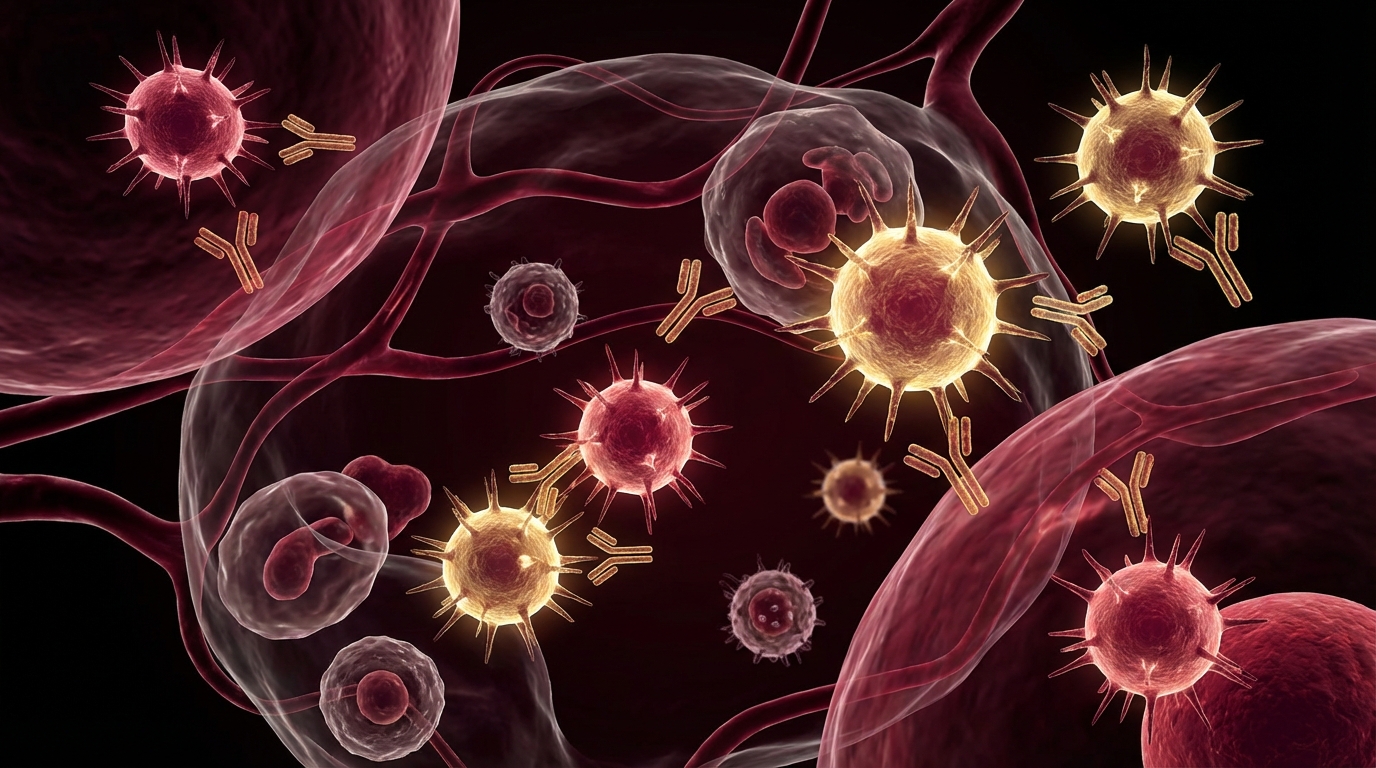
When tumor cells are stressed by heat, they release heat shock proteins (HSP70, HSP90) and other danger signals onto their cell surface and into the extracellular environment. These HSPs act as molecular adjuvants:
- They chaperone tumor antigens and present them to dendritic cells, the immune system’s antigen-presenting professionals.
- They activate NK cells directly through HSP70 surface expression.
- They trigger TLR2 and TLR4 signaling, initiating innate immune responses.
- They promote the maturation of dendritic cells, enhancing adaptive immunity against tumor-specific antigens.
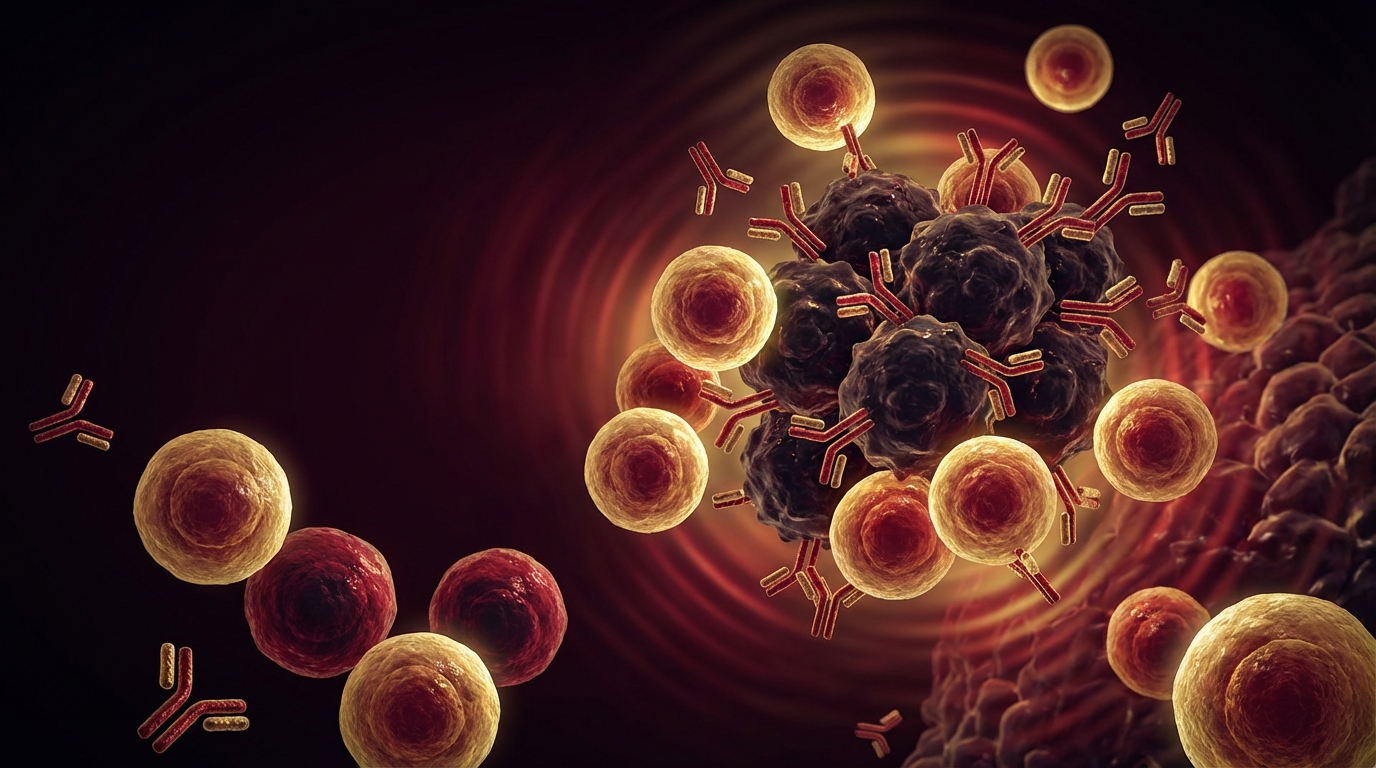
In effect, hyperthermia can turn a tumor into its own vaccine. The heat stress exposes tumor antigens in a context that the immune system recognizes as dangerous, promoting anticancer immune responses that may extend beyond the directly heated tumor.
This “abscopal-like” effect — where treatment of one tumor site leads to immune responses against distant metastases — has been observed in combination with immunotherapy and hyperthermia, though the evidence is still emerging.
The Evidence: What Randomized Trials Show
Here is what the evidence shows, graded by strength.
Cervical Cancer — Strong Evidence
The evidence is clearest for locally advanced cervical cancer. Multiple randomized trials and a Cochrane review have evaluated hyperthermia combined with radiation:
Van der Zee et al. (2000) randomized 358 patients with locally advanced pelvic tumors (including cervical cancer) to radiation alone or radiation plus hyperthermia. The hyperthermia group showed significantly improved complete response rates (55% vs. 39%) and 3-year overall survival (51% vs. 27%) for cervical cancer patients.
A Cochrane systematic review (2010) confirmed that adding hyperthermia to radiation therapy for locally advanced cervical cancer significantly improved both local control and overall survival. The evidence quality was rated as moderate to high.
This is not emerging data. This is established evidence from randomized controlled trials with survival endpoints. The evidence is clear.
Soft Tissue Sarcoma — Strong Evidence
Issels et al. published a landmark phase 3 trial in The Lancet Oncology (2010) evaluating regional hyperthermia combined with neoadjuvant chemotherapy for high-risk soft tissue sarcomas. The addition of hyperthermia significantly improved local progression-free survival (HR 0.58) and showed a trend toward improved disease-free survival. A long-term follow-up (2018) confirmed sustained benefit with improved overall survival.
Breast Cancer — Moderate Evidence
Several randomized trials have evaluated hyperthermia for locally recurrent breast cancer, particularly in previously irradiated fields where additional radiation is limited. Vernon et al. (1996) published a meta-analysis of five randomized trials showing that hyperthermia combined with radiation produced complete response rates of 59% compared to 41% with radiation alone.
Bladder Cancer — Moderate Evidence
Colombo et al. (2011) demonstrated in a randomized trial that local hyperthermia combined with intravesical mitomycin C significantly reduced recurrence in non-muscle-invasive bladder cancer compared to mitomycin C alone (recurrence rate 17.1% vs. 57.5%).
Melanoma, Head and Neck, and Other Tumors
Clinical data supports hyperthermia for superficial melanoma metastases, head and neck cancers, and various other solid tumors, though the evidence in these areas is generally from smaller trials or cohort studies.
How We Use Hyperthermia in Oncology
At St. George Hospital, we integrate hyperthermia into individualized cancer treatment protocols. The approach depends on the tumor type, location, stage, and overall treatment plan.
Moderate Whole-Body Hyperthermia (40°C, 3 hours)
This is our primary systemic approach. The patient lies in the Heckel HT3000 system while core body temperature is raised to approximately 40°C and maintained for 3 hours. The patient is typically conscious but relaxed, sometimes lightly sedated.
We use moderate WBH for:
- Systemic sensitization before or concurrent with chemotherapy. The improved tumor perfusion and DNA repair inhibition enhance chemotherapy efficacy throughout the body, including at metastatic sites that cannot be targeted with local hyperthermia.
- Immune activation. The systemic HSP response and cytokine cascade activate anticancer immunity globally, not just at one tumor site.
- Patients with disseminated disease where local/regional approaches cannot cover all tumor sites.
A typical course involves 4-8 moderate WBH sessions integrated with the chemotherapy schedule. Timing relative to chemotherapy administration is important and is determined by the specific drugs being used.
Local and Regional Hyperthermia (40-43°C)
For accessible solid tumors, we use local hyperthermia devices that deliver focused heat to the tumor and surrounding margin. This achieves higher temperatures at the tumor site (40-43°C) than systemic approaches, combining direct cytotoxic effects with the sensitization mechanisms.
Local hyperthermia is used for:
- Primary tumors amenable to focal heating (superficial tumors, pelvic tumors, extremity tumors)
- Combination with radiation therapy — the thermal enhancement ratio for radiation is well-documented
- Recurrent tumors in previously treated fields where further radiation or surgery options are limited
Extreme Whole-Body Hyperthermia (41.6+°C)
In selected oncology cases — particularly when a potent systemic immune response is desired — we may use extreme WBH. This produces a more dramatic HSP and cytokine response than moderate WBH. This approach requires anesthesia and carries higher physiological stress, so it is reserved for patients who can tolerate it and whose clinical situation justifies the intensity.
What I See in Practice
In my clinical experience, the patients who benefit most from hyperthermia in the oncology setting are those who integrate it into a comprehensive treatment plan rather than relying on it as a standalone intervention. Let me be honest: hyperthermia alone does not cure cancer. What it does is make other treatments work better — sometimes significantly better.
What I observe:
- Chemotherapy side effects are often reduced when hyperthermia is used strategically. This seems counterintuitive, but the improved tumor-specific drug delivery may allow effective treatment at lower systemic doses.
- Patients report improved energy and wellbeing during treatment courses that include hyperthermia, compared to chemotherapy alone. Whether this is a direct effect of the immune modulation or a placebo effect, I cannot say with certainty — but the consistency of the observation is notable.
- Some patients with chemotherapy-resistant tumors respond when hyperthermia is added. We have seen this pattern repeatedly over 35 years. Tumors that have stopped responding to a specific drug regimen sometimes resume responding when hyperthermia is added. The mechanism — likely restoration of drug sensitivity through heat-induced DNA repair inhibition — is biologically plausible and supported by preclinical data.
- The immune effects appear to extend beyond the directly treated tumor. This is the most exciting observation, though also the most difficult to attribute definitively to hyperthermia in a multimodal treatment context.
I want to be clear about evidence levels. The improved outcomes in cervical cancer, soft tissue sarcoma, and recurrent breast cancer are supported by randomized trials — this is strong evidence. The observations I describe above from our clinical experience are just that — clinical observations. They are consistent with the trial data and with the known biology, but they are not substitute for controlled evidence.
Hyperthermia and Immunotherapy
The intersection of hyperthermia and modern immunotherapy (checkpoint inhibitors, CAR-T cells) is an area of intense research interest. The rationale is compelling:
Checkpoint inhibitors (anti-PD-1, anti-CTLA-4) remove the brakes on anticancer immune responses, but they require the immune system to recognize tumor antigens in the first place. Many tumors are immunologically “cold” — they evade immune detection by downregulating antigen presentation.
Hyperthermia makes tumors “hot.” It forces the release of HSPs and tumor antigens, enhances dendritic cell maturation, and promotes T-cell infiltration of the tumor microenvironment. In theory, combining hyperthermia with immunotherapy could convert immunologically cold tumors into ones that checkpoint inhibitors can target effectively.
Early clinical data supports this hypothesis, but it remains an emerging area. I mention it because it represents a plausible future direction, not because the evidence is mature.
Safety in the Oncology Setting
Cancer patients are often medically complex — immunocompromised, malnourished, fatigued, and on multiple medications. The safety profile of hyperthermia in this population requires specific attention.
Side Effects of Moderate WBH in Cancer Patients
- Fatigue (universal, expected, typically resolves within 24-48 hours)
- Mild dehydration (managed with IV fluids)
- Transient nausea
- Temporary decline in blood counts (particularly if combined with myelosuppressive chemotherapy — timing matters)
- Skin erythema from the infrared exposure (usually mild and temporary)
Contraindications Specific to Oncology
- Brain metastases with elevated intracranial pressure (heat increases intracranial pressure)
- Severe cachexia with reduced physiological reserve
- Active cardiac complications from cardiotoxic chemotherapy
- Uncontrolled coagulopathy
- Severe hepatic or renal failure compromising thermoregulation
Drug Interactions
Certain chemotherapy agents interact with hyperthermia in ways that require careful protocol design:
- Cisplatin — synergy is well-documented; hyperthermia enhances platinum-DNA adduct formation. The combination is particularly well-studied and effective.
- Doxorubicin — enhanced efficacy with heat, but also enhanced cardiotoxicity potential. Requires careful cardiac monitoring.
- Gemcitabine — favorable interaction in pancreatic and bladder cancer models.
- Mitomycin C — the best-studied combination in bladder cancer.
The timing of hyperthermia relative to drug administration matters and varies by agent. This is not a standardized protocol — it requires individualized treatment planning by physicians experienced in both oncology and hyperthermia.
Why Hyperthermia Is Underused
Every time I present at a medical conference on this topic, I am asked the same question: if the evidence is this strong, why is hyperthermia not standard of care everywhere?
The honest answer involves several factors:
-
No pharmaceutical sponsor. Heat cannot be patented. No company profits from promoting it. The multi-billion-dollar drug development pipeline that drives adoption of new cancer treatments does not exist for a physical modality.
-
Equipment and expertise requirements. Hyperthermia requires specialized equipment (a Heckel system costs significant capital), trained operators, and physician expertise. It cannot be prescribed from a formulary.
-
Reimbursement challenges. In many healthcare systems, hyperthermia reimbursement is limited or unavailable, making it economically difficult for institutions to offer.
-
Disciplinary gaps. Hyperthermia falls between oncology, radiation therapy, and interventional specialties. No single specialty “owns” it, which means no specialty champions it.
-
Institutional inertia. The oncology establishment is slow to adopt treatments that do not fit the drug-development model, regardless of evidence quality.
None of these are scientific arguments. The evidence supports hyperthermia for specific oncologic indications. The barriers to adoption are systemic and economic, not evidential.
Practical Information for Patients
Who Should Consider Hyperthermia?
- Patients with locally advanced cancers where radiation is part of the treatment plan (cervical, rectal, bladder, head and neck)
- Patients with high-risk soft tissue sarcomas receiving chemotherapy
- Patients with chemotherapy-resistant tumors who need a sensitization strategy
- Patients interested in immune activation as part of their cancer treatment
- Patients seeking to optimize the efficacy of their existing treatment plan
What to Ask Your Oncologist
- “Is there evidence for adding hyperthermia to my treatment regimen?”
- “Would hyperthermia improve the efficacy of my chemotherapy or radiation?”
- “Are there specific trials that have studied this combination for my tumor type?”
If your oncologist is unfamiliar with the evidence, that is not a reflection of the evidence — it is a reflection of how poorly this treatment is taught in oncology training programs.
Treatment at St. George Hospital
For international patients seeking hyperthermia as part of cancer treatment, our hospital provides comprehensive oncologic care including hyperthermia (both moderate WBH and local/regional), intravenous chemotherapy, immunotherapy, and a full range of supportive care modalities. We work with patients’ existing oncology teams to integrate hyperthermia into their overall treatment plan.
The Bottom Line
Hyperthermia for cancer is a treatment modality with randomized trial evidence supporting improved outcomes in cervical cancer, soft tissue sarcoma, breast cancer recurrence, and bladder cancer. It works by exploiting fundamental vulnerabilities of cancer cells — impaired DNA repair, chaotic vasculature, metabolic stress — and by activating anticancer immunity through HSP-mediated mechanisms.
It is underused relative to its evidence base, for reasons that are economic and institutional, not scientific.
At St. George Hospital, we have used hyperthermia in oncology for over 35 years. In our experience, it is most powerful as part of a multimodal treatment strategy — not as a standalone intervention, but as a tool that makes other treatments work substantially better.
Here is what the evidence shows: heat plus chemotherapy works better than chemotherapy alone. Heat plus radiation works better than radiation alone. These are not claims. These are trial results. And every cancer patient deserves to know about them.
References
-
Issels RD, et al. Neo-adjuvant chemotherapy alone or with regional hyperthermia for localised high-risk soft-tissue sarcoma: a randomised phase 3 multicentre study. Lancet Oncol. 2010;11(6):561-570. PMID: 20434400.
-
Van der Zee J, et al. Comparison of radiotherapy alone with radiotherapy plus hyperthermia in locally advanced pelvic tumours: a prospective, randomised, multicentre trial. Lancet. 2000;355(9210):1119-1125. PMID: 10791373.
-
Vernon CC, et al. Radiotherapy with or without hyperthermia in the treatment of superficial localized breast cancer: results from five randomized controlled trials. Int J Radiat Oncol Biol Phys. 1996;35(4):731-744. PMID: 8690639.
-
Colombo R, et al. Thermo-chemotherapy and electromotive drug administration of mitomycin C in superficial bladder cancer eradication: a pilot study on marker lesion. Eur Urol. 2001;39(1):95-100. PMID: 11173946.
-
Wust P, et al. Hyperthermia in combined treatment of cancer. Lancet Oncol. 2002;3(8):487-497. PMID: 12147435.
-
Hildebrandt B, et al. The cellular and molecular basis of hyperthermia. Crit Rev Oncol Hematol. 2002;43(1):33-56. PMID: 12098606.
-
Issels RD, et al. Effect of neoadjuvant chemotherapy plus regional hyperthermia on long-term outcomes among patients with localized high-risk soft tissue sarcoma: the EORTC 62961-ESHO 95 randomized clinical trial. JAMA Oncol. 2018;4(4):483-492. PMID: 29450452.
This content is educational and does not constitute medical advice. Hyperthermia is a medical treatment that should be integrated into a comprehensive oncology treatment plan under the guidance of qualified physicians. It is not a substitute for standard cancer treatments. Consult your oncology team to determine whether hyperthermia is appropriate for your specific situation.