Klinik St. Georg — Bad Aibling, Germany
Everything I write on this platform is grounded in clinical practice — and that practice happens at St. George Hospital.
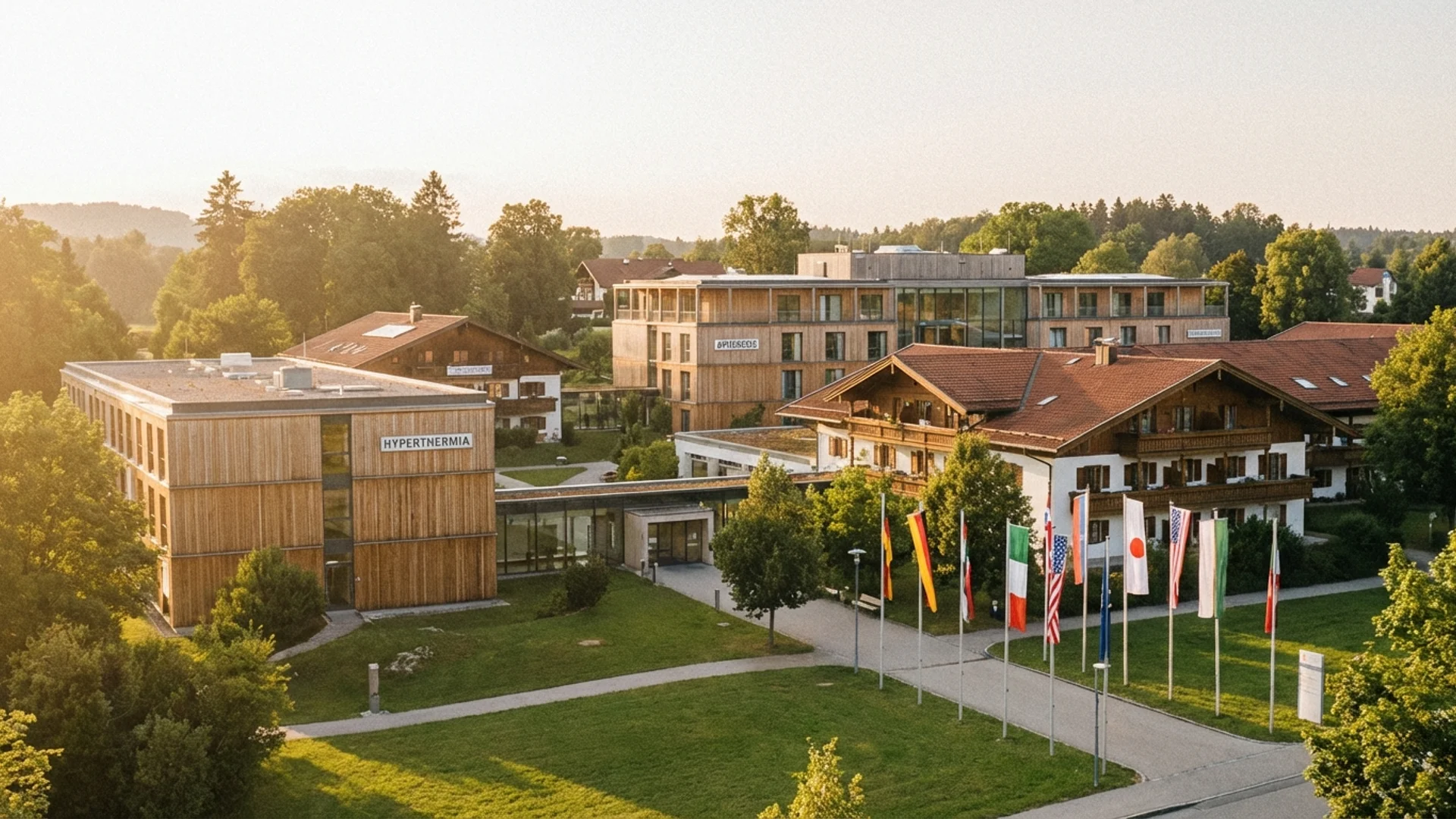
Klinik St. Georg is not a wellness retreat. It is a licensed hospital in Bad Aibling, Germany, roughly 60 kilometers southeast of Munich. It was founded in 1991 by my father, Friedrich Douwes M.D., as one of Europe’s first hospitals dedicated to integrating conventional medicine with evidence-based complementary therapies. For over three decades, it has treated patients from more than 60 countries who seek medical care that standard healthcare systems cannot or will not provide.
What Makes This Hospital Different
Most hospitals operate within a single paradigm. Conventional hospitals use conventional tools. Integrative clinics use integrative tools. St. George Hospital uses both — and it has the infrastructure to do so under one roof.
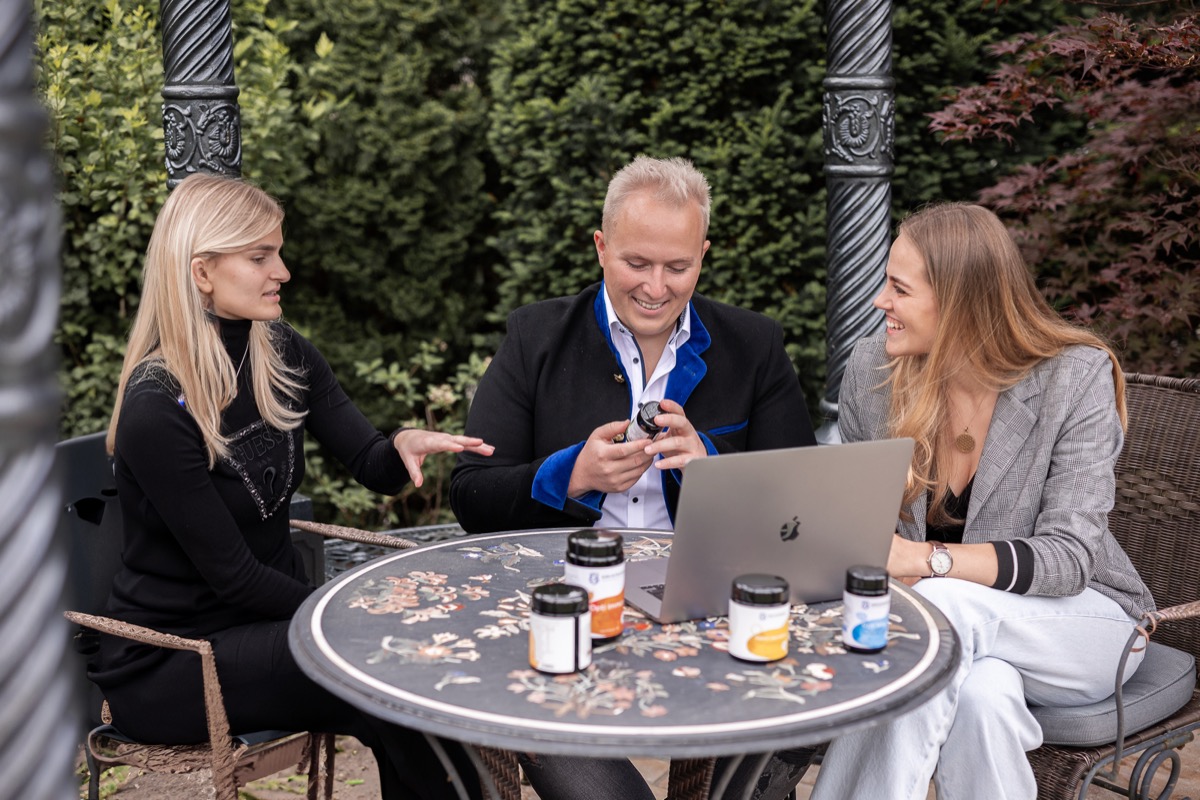
Full diagnostic capabilities. Laboratory medicine, functional diagnostics, advanced imaging, dark-field microscopy, immune function panels, microbiome analysis, and specialized testing for tick-borne infections, viral reactivations, and inflammatory markers.
Hyperthermia. This is the therapy the hospital was founded on, and it remains central to our work. We operate multiple hyperthermia systems:
- Whole-body hyperthermia (raising core body temperature to 38.5-41.5 degrees Celsius under controlled conditions)
- Locoregional hyperthermia (targeting specific tumor sites or tissue regions)
- Fever-range hyperthermia (moderate elevation to stimulate immune response)
- Prostate-specific hyperthermia
Hyperthermia is used across oncology, infectious disease, and immunology. In oncology, it sensitizes tumor cells to chemotherapy and radiation. In Lyme disease, it exploits the heat sensitivity of Borrelia spirochetes. In immune dysregulation, fever-range protocols stimulate innate immune activation.
Therapeutic apheresis. Blood filtration technology that removes specific pathological components from the bloodstream — inflammatory mediators, autoantibodies, microclots, lipids, and immune complexes. We use apheresis extensively for post-COVID syndrome, autoimmune conditions, and chronic inflammatory states.
Infusion and immune therapy. High-dose intravenous vitamin C, NAD+ infusions, glutathione, phospholipid exchange, ozone therapy, and targeted immune modulation protocols. These are administered in a clinical setting with proper monitoring, not in a strip-mall IV bar.
Regenerative medicine. Peptide therapy protocols, platelet-rich plasma (PRP), and selected regenerative approaches supported by clinical evidence.
Neuromodulation. Emerging applications for chronic pain, cognitive dysfunction, and neuropsychiatric conditions.
Low-level laser therapy (LLLT). Photobiomodulation for tissue repair, inflammation reduction, and mitochondrial support.
Why Patients Travel
The patients who come to St. George Hospital have typically been through the conventional system already. They have seen specialists — sometimes dozens of them. They have tried standard treatments. For some, those treatments worked partially. For many, they did not work at all or produced intolerable side effects.
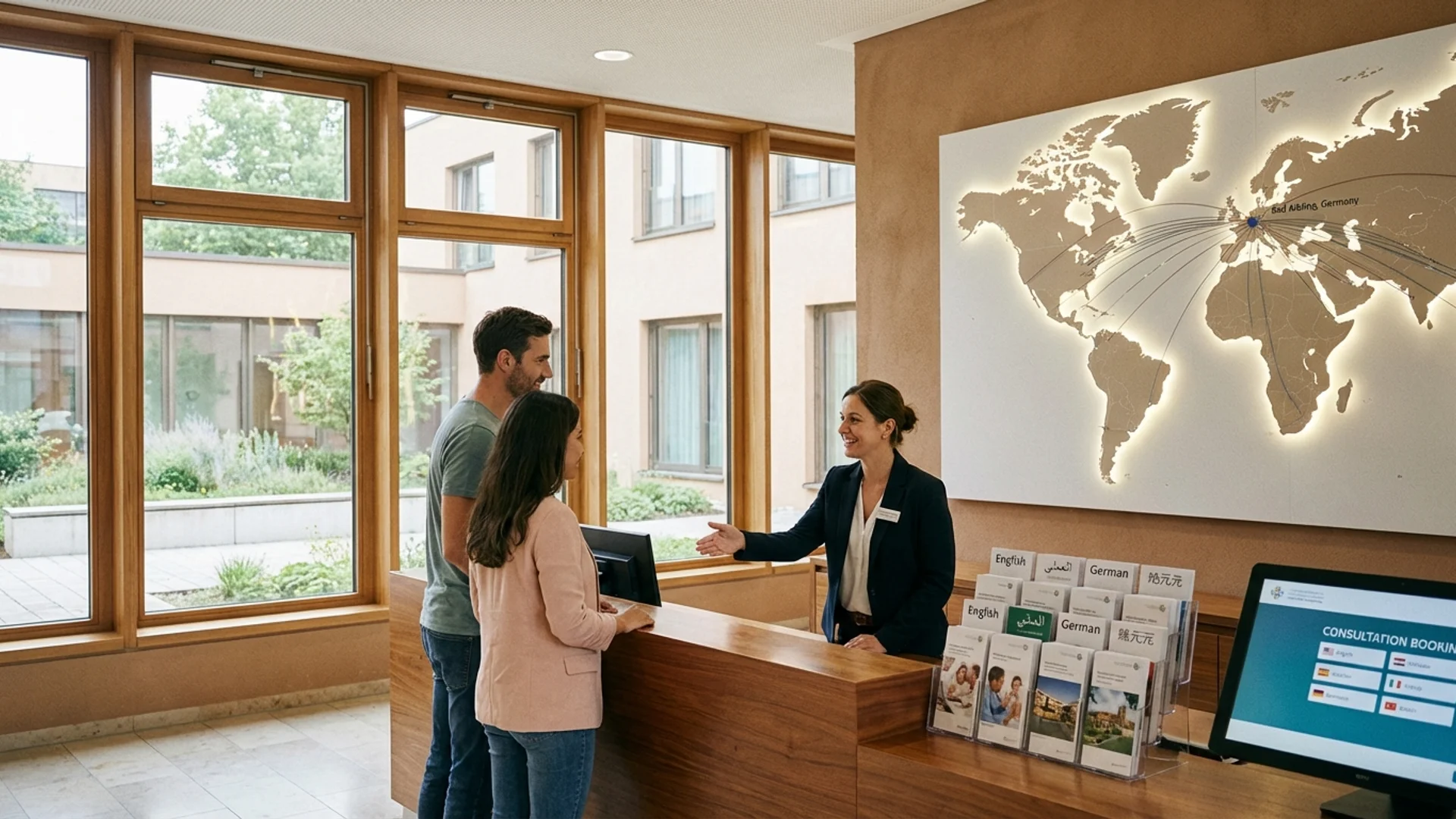
What brings patients from the United States, the Gulf states, the United Kingdom, Australia, South America, and across Europe to a small town in Bavaria is not marketing. It is word of mouth from other patients, physician referrals, and the simple fact that we offer treatments and treatment combinations that are not available in most healthcare systems.
A patient with chronic Lyme disease, for example, cannot easily access whole-body hyperthermia combined with targeted antibiotics and immune modulation in the United States. A patient with post-COVID syndrome cannot readily find a clinic that combines apheresis, IHHT, peptide therapy, and comprehensive immune diagnostics under one clinical team. A patient with a complex oncological case who has exhausted standard options often cannot find a hospital willing to integrate hyperthermia with their existing treatment.
These are the patients we see. They are not looking for alternative medicine. They are looking for additional medicine — approaches that complement what has already been tried and address what has been left unresolved.
The Clinical Team
The hospital operates with a multidisciplinary medical team including specialists in internal medicine, oncology, hematology, infectiology, psychosomatic medicine, and integrative medicine. I serve as Chief Medical Officer, overseeing clinical protocols and treatment strategy.
Key team members include:
- Martin Rossner M.D. — Chief Physician, daily clinical operations and oncology
- Daniela Hudi M.D. — Outpatient physician specializing in oncology, hormone therapy, and longevity
- Angelina Svircev M.D. — Outpatient physician with focus on Lyme disease
- Gabriele Zabel M.D. — Attending physician in infectiology and oncology
- Frank Biok M.D. — Department physician, infectiology and oncology
- Frederick Gotte M.D. — Chief physician, hematology and oncology
- Peter Holzhauer M.D. — Dean of medicine, internal medicine
- Christiane Godau M.D. — Attending physician, psychosomatic medicine
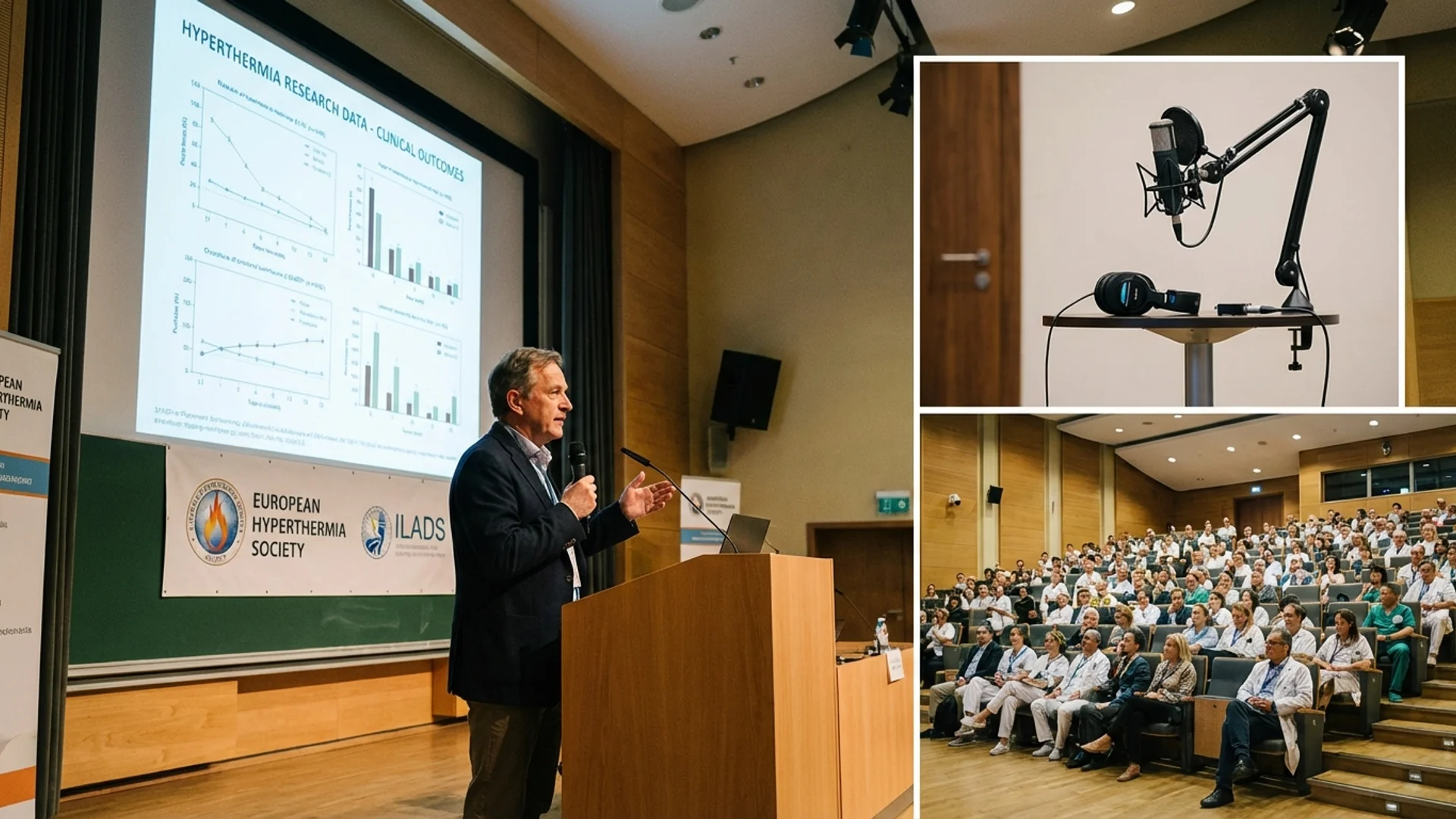
We also collaborate with external researchers, notably Dr. Beate Jaeger, whose work on microclots, endothelial dysfunction, and impaired microcirculation in post-COVID patients has informed our clinical approach to long COVID treatment.
Founded on Conviction
Friedrich Douwes did not build this hospital because it was a good business opportunity. He built it because he believed that medicine should be open to therapeutic approaches that work, regardless of whether they originated in the conventional or complementary tradition. He was not anti-conventional medicine — he was anti-dogma.
He passed away in 2022. The hospital continues under the principles he established: treat the patient, not the diagnosis code. Use what works. Measure what matters. Never stop asking whether we can do better.
Visiting the Hospital
St. George Hospital accepts both inpatient and outpatient appointments. Treatment programs are individualized based on comprehensive diagnostic assessment. Most international patients stay for 1-3 weeks depending on their condition and treatment plan.
Location: Rosenheimer Str. 6-8, 83043 Bad Aibling, Germany Phone: +49 (0)8061 398-0 Email: info@clinicum-stgeorg.de Website: www.st-george-hospital.com
For consultation inquiries, start with the Work With Me page on this platform.